Fetoscopic Set for Neural Tube Defects (NTD)
by Dr. Bassel Zebian
Neural tube defects (NTDs) are congenital malformations of the central nervous system which develop in the first weeks of pregnancy. During this critical phase, the neural tube forms as the precursor to the brain and spinal cord. If the neural tube fails to close appropriately during this process, various forms of the condition can result, ranging from mild to severe. Open forms, also referred to as spina bifida aperta, can be flat or cystic (myeloschisis or myelomeningocele)
They are usually associated with weakness and numbness in the lower limbs, bladder and bowel dysfunction, descent of the cerebellar tonsils and brainstem through the foramen magnum (Chiari Malformation Type II) and hydrocephalus.

The management of open NTDs has advanced significantly in recent years with the focus shifting to prenatal closure which has been shown in a randomised clinical trial to improve outcomes. The most recent innovation in this field is the development of the minimally invasive (“keyhole”) approach using small ports in the uterus through which an endoscope and instruments are introduced to allow visualisation and repair of the defect.
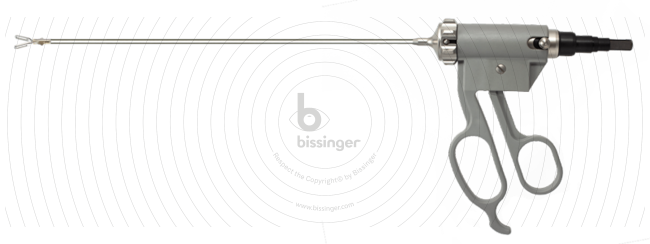
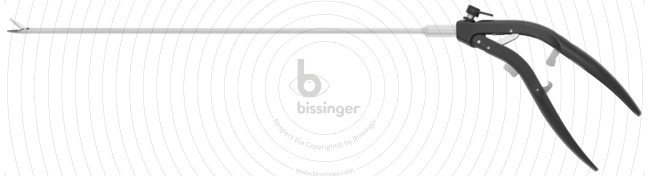
With the “Fetoscopic Set”, Bissinger partnered with Dr. Bassel Zebian to set new standards in fetal keyhole surgery. The system was specifically developed to enable maximal precision and control while minimizing invasiveness thanks to instruments with an outer diameter of just 3mm.
The use of innovative bipolar instruments allows simultaneous dissection and coagulation, essential in reducing blood loss from the tiny fetus, increasing operative safety and reducing morbidity. Overall, the system enables optimized surgical care while reducing risk to both mother and child.

Instrumente des Fetoscopic Sets for NTD:



DR. BASSEL ZEBIAN
Consultant Paediatric & Adult Neurosurgeon at King's College Hospital NHS Foundation Trust
- BRO-024 Fetoscopic Set v1 WEB.pdf pdf, 628.67 KB